

MSME Corner Desk
Ahead of CII Aarohan on July 9, entrepreneur Ishan Shah shares the lesson that transformed him from an environmental engineer into a business leader.
Every entrepreneur eventually confronts an uncomfortable truth: technical expertise alone cannot build a successful enterprise.
For Ishan Shah, Founder of Ensafe Environmental Consultancy, that realisation came several years after launching his business.
“I knew engineering, but I realised I didn’t know business,” Shah admits.
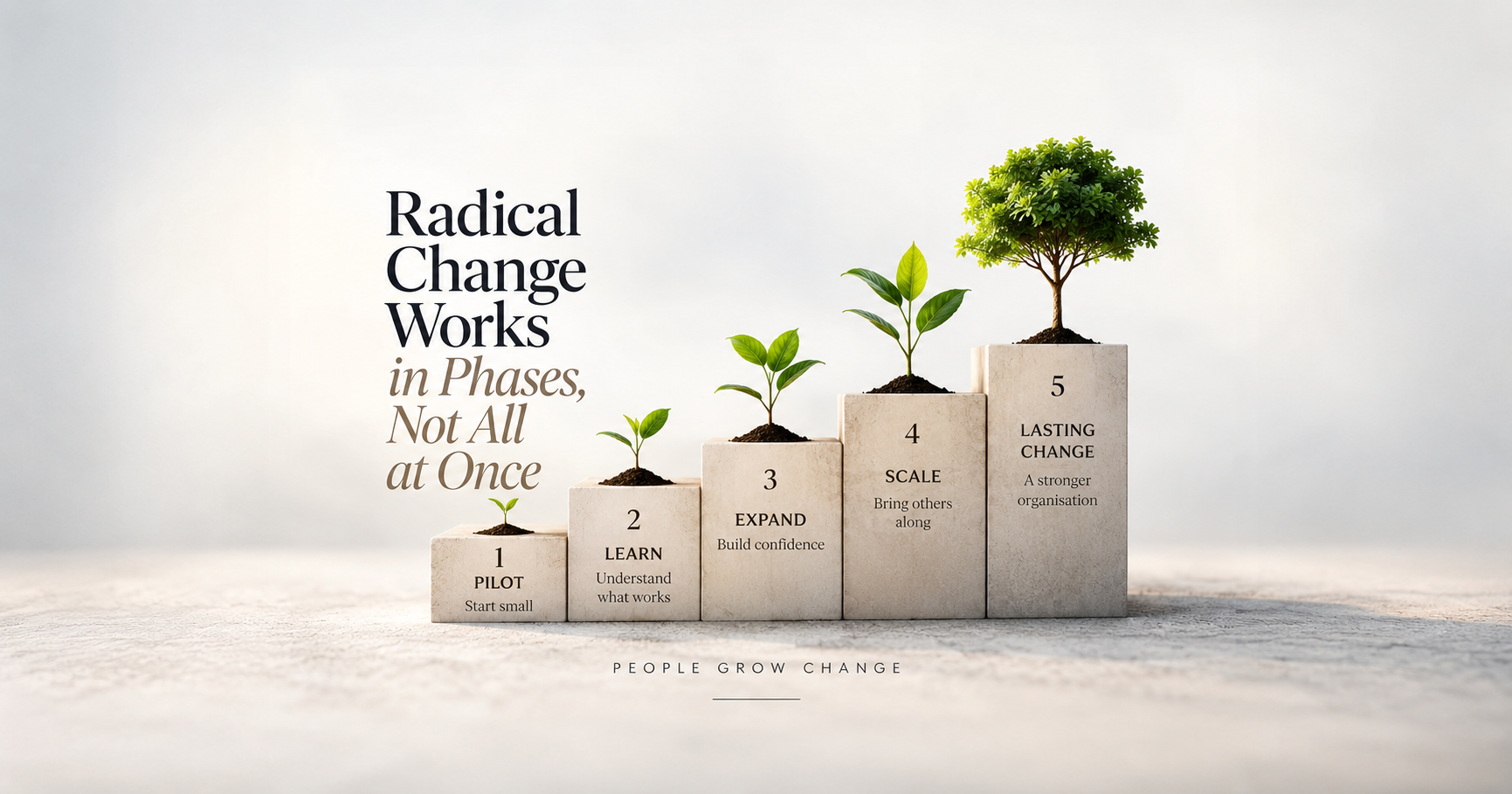
Instead of allowing his technical confidence to become a limitation, he did something many first-generation entrepreneurs hesitate to do—he sought help. Shah hired professional management consultants to build systems for marketing, finance, human resources and business development, a decision he credits with fundamentally changing the trajectory of his company.
It is a lesson that resonates well beyond the environmental sector and one that is likely to find an audience at CII Aarohan, scheduled for July 9, where Gujarat’s startup community, industry leaders and aspiring entrepreneurs will come together to exchange ideas on building sustainable businesses.
Shah’s entrepreneurial journey began in 2015 when he entered an environmental consultancy market dominated by established players. Rather than competing on price, he focused on technical credibility, educating industries and building long-term client relationships. That approach eventually opened doors to international assignments, including projects in Kenya, demonstrating that specialised expertise from Gujarat could compete on a global stage.
Yet, for Shah, the biggest transformation was internal.
He believes many technically qualified founders make the mistake of assuming engineering excellence automatically translates into business success. In reality, building an organisation demands leadership, systems, financial discipline and the willingness to learn from people who possess different expertise.
The same philosophy shapes his approach to environmental compliance.
Shah argues that sustainability should no longer be viewed as a regulatory obligation or an unavoidable expense. Instead, manufacturers—particularly MSMEs in textile, chemical and pharmaceutical sectors—should regard it as a strategy to improve operational efficiency, reduce resource consumption and strengthen long-term competitiveness.
“Water cannot be manufactured,” he says. “Businesses that learn to measure, conserve and recycle it today will have a significant competitive advantage tomorrow.”
He believes sustainability often begins with better management rather than expensive infrastructure. Process optimisation, efficient water use and systematic resource monitoring can generate measurable savings while preparing businesses for increasingly stringent environmental regulations.
As entrepreneurs prepare for CII Aarohan, Shah hopes more founders will recognise another important truth: every successful business eventually reaches a stage where learning becomes more valuable than knowing.
For first-generation entrepreneurs especially, his message is both simple and powerful—invest in mentors as seriously as you invest in technology. “Expertise may help create a product, but leadership and continuous learning are what build enduring enterprises.”



Leave a Reply