
Pip: Welcome to MSME Briefing — where the gap between when a crisis hits and when policy responds is apparently measured in quarters, not days.
Mara: This episode covers work by hareshb jhala across three distinct territories: the geopolitical pressure building on Indian exporters, a market-strategy lesson from an unlikely detergent giant, and a leadership blind spot that quietly hollows out teams.
Pip: Let's start with the part that's costing factories real money — the Iran conflict and what it's doing to MSMEs on the ground.
Geopolitics And Export Pressure
Mara: The central question here is whether India's policy response to a gathering export crisis arrived in time to matter — and the editorial is blunt about the answer.
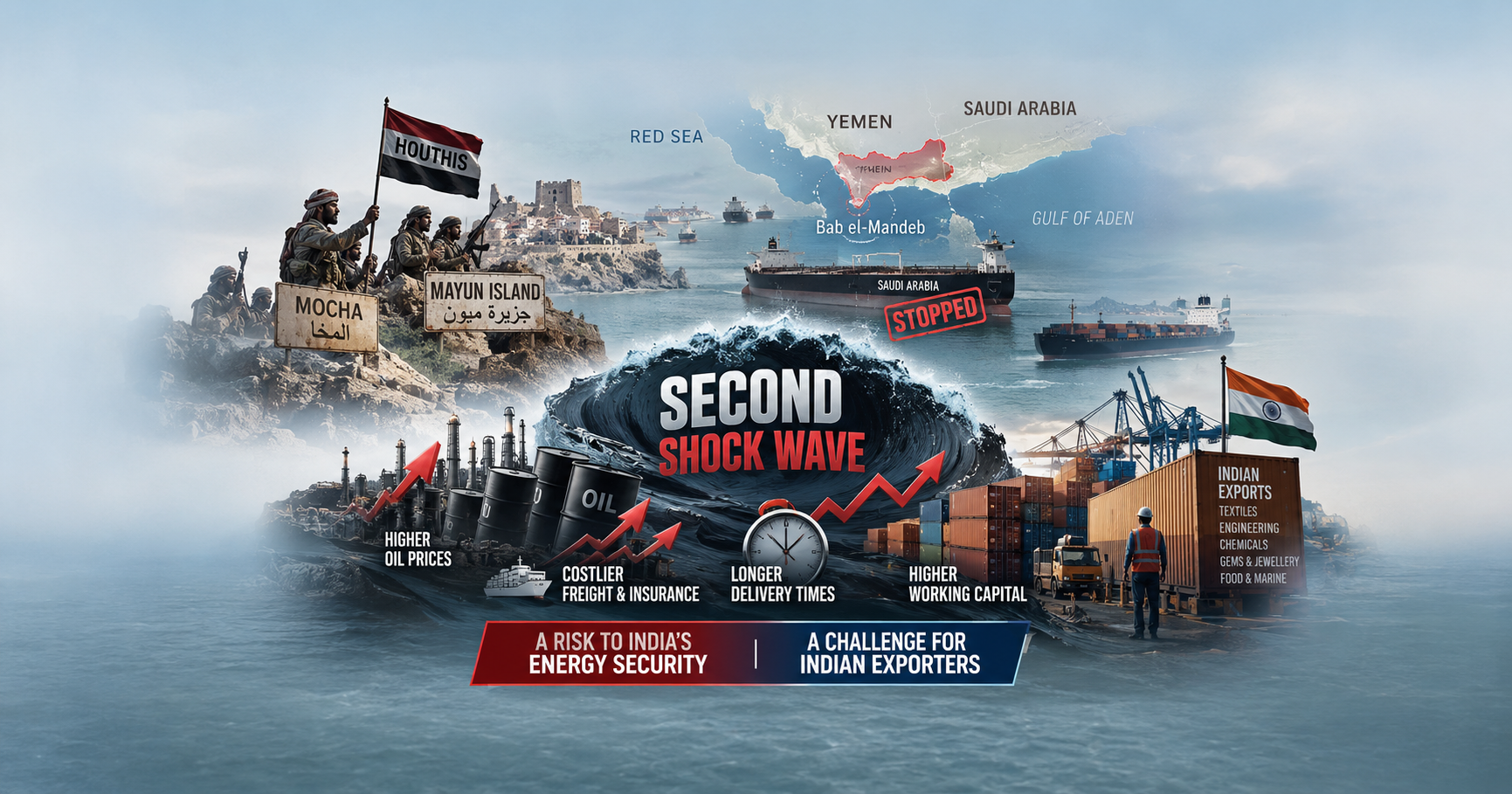
Pip: The editorial sets the scene before landing the number that stings: "According to CRISIL Intelligence, the geopolitical disruption is expected to shave 100 basis points off MSME revenue growth in FY27, reducing expansion to 7.5-8.5 per cent."
Mara: So the upshot is that revenue growth is being cut roughly by a seventh — before you factor in the margin compression. EBITDA margins are projected to contract by up to another 100 basis points on top of that.
Pip: The cluster-level picture is even sharper. Morbi's ceramic hub, which handles nearly 80 percent of India's tile output, has watched revenue growth expectations collapse from around 10 percent to just 1-3 percent. Firozabad's glassware centre reportedly cut production by 40 percent. The editorial notes workers in Surat, Morbi and Kanpur have already absorbed a 25-30 percent drop in monthly earnings.
Mara: And the editorial is careful to trace the secondary wave — WPI inflation rising on energy, freight and input costs, with a lag effect that could eventually push consumer prices higher and weaken the very domestic demand MSMEs depend on.
Pip: The ₹181-billion ECLGS 5.0 package gets a mention, but the editorial's point is surgical: "credit alone cannot reduce freight costs, restore disrupted supply chains or lower energy prices."
Mara: The leather sector piece, "Leather's Geopolitical Wake-Up Call," extends the argument from numbers to strategy. It documents how, while Indian manufacturers absorbed the disruption, Vietnam, Indonesia and Bangladesh moved decisively — capturing buyer relationships that are now genuinely hard to reclaim.
Pip: Which is the part that should keep exporters up at night. Temporary disruptions can produce permanent market-share losses, because international buyers don't wait for diplomatic solutions.
Mara: The compliance piece, "Compliance or Collapse: Choose Now," adds a third pressure layer — a proposed additional 12.5 percent US tariff tied to forced-labour concerns. Textiles, gems and jewellery, engineering goods, automotive components — all directly in scope.
Pip: And the uncomfortable edge of that argument is that businesses with clean practices can still be penalised if they can't verify what happens beyond their own factory gates. Proof, not intent, is what buyers now require.
Mara: Both pieces land on the same strategic conclusion: resilience — through market diversification, supply-chain visibility and compliance investment — is shifting from a defensive posture to a genuine growth strategy.
Pip: From the pressure outside the factory, let's move to the strategy that happens inside it.
MSME Market Strategy
Mara: The question the Ghadi piece poses is whether an MSME can defeat entrenched multinationals without matching their advertising spend — and the answer is a case study in deliberate patience.
Pip: The post frames the core insight directly: "In India's consumption economy, particularly in smaller towns and semi-urban markets, the retailer often exerts greater influence than a television commercial."
Mara: What this meant in practice was that Ghadi invested in distribution density and dealer margins rather than television budgets — turning shopkeepers into active brand advocates and building a logistics moat that rivals couldn't easily copy.
Pip: Regional dominance before national ambition, funded by internal accruals rather than aggressive borrowing. It's the kind of strategy that sounds obvious and is almost never followed.
Mara: The same discipline that built the distribution model applies to how leaders manage the people running it — which is where the next segment picks up.
Leadership And Team Perception
Mara: The leadership post addresses a failure mode that doesn't start with bad intent — it starts with a leader who assumes that acting fairly is sufficient, without recognising how those actions are being read.
Pip: The post names the mechanism precisely: "Without seeking clarification, insecure team members often create their own explanations. They begin asking questions not to the leader, but to one another. Informal conversations gradually become rumours. Rumours become beliefs."
Mara: What this means in practice is that by the time a leader notices the trust problem, the narrative is already set — and explaining facts rarely dislodges an emotionally held belief.
Pip: The post's prescription is that communication isn't an event you schedule; it's a continuous discipline. Explain the why before questions form, not after the rumours do.
Mara: Geopolitical shocks, market discipline, team trust — the thread running through all of it is the same: the gap between what's happening and what leaders are paying attention to.
Pip: Next time, let's hope the response arrives before the bill does.



Leave a Reply